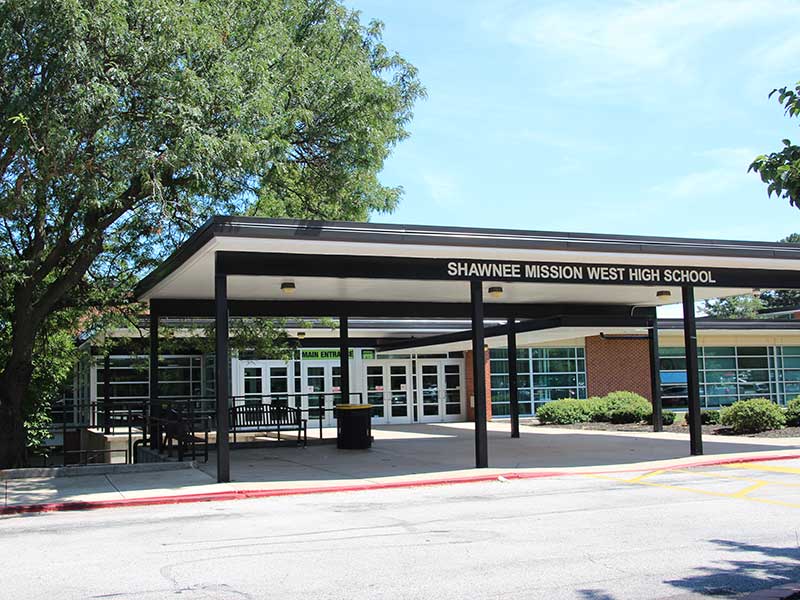
When I graduated from Shawnee Mission West in 1991, Kansas spent roughly a quarter of what it spends today to educate a child for a year. Last year the figure was $18,324 — among the ten highest in the country once you adjust for the cost of living.
You would expect to see something for that. Roughly four times the investment ought to leave its mark — higher test scores, better readers, more kids ready for college or a trade. Instead, college readiness, measured by ACT benchmarks, fell from 32 percent in 2015 to 18 percent. And it isn't that more students take the test now. Participation didn't rise — 74 percent in 2015, 72 percent last year. The same share sat the exam. Fewer were ready for college. The state's own reading and math assessments tell the same story. Spending went up. Outcomes went down.
So the question is not whether Kansas spends enough on its schools. The question is where the money goes. Because it does not go to the people standing in front of the children.
Here's the math. Over the last two decades, enrollment in Kansas public schools and the number of classroom teachers each rose about 4 percent. The growth wasn't in teachers. It was in everyone around them — and the further a position sat from a classroom, the faster the hiring went. The number of managers — superintendents, assistant superintendents, directors, coordinators — rose 33 percent. Other non-teaching staff rose 32 percent. Just last year, districts cut 347 classroom teachers while adding 153 managers and more than a thousand other non-teaching employees.
And the teachers, the ones who do the teaching? More money came in, but little of it reached the classroom. Teachers never seemed to feel it. Their salaries, adjusted for inflation, fell — by roughly 9 percent between 1992 and 2019, even as per-pupil spending rose more than 50 percent in real terms.
Kansas law sets a goal for classroom spending: at least 65 percent of it, the statute says, should reach instruction — the actual teaching of children. But it is only a goal, with no consequence wired to it, and in twenty years districts have never once met it. In 2005 they put 54.4 percent toward instruction; last year, 52.5 percent — the lowest share in seventeen years, even as total funding more than doubled between 2005 and 2024. Had classroom spending hit the 65 percent target the state set for itself, $13.2 billion more would have reached classrooms since 2005.
Obviously teaching children isn't simple. The work is hard, and harder than it was thirty years ago. Anyone who spends time in a school can see that. The pandemic took a year from our children and never gave it back. But none of that explains why instruction receives a smaller share of the budget than it did twenty years ago. That's not an accident. That's a choice, made over and over.
It would be easy to reach for villains here, and easy to pick the wrong one. Above all, the teacher is not the problem. The teacher is the one whose pay fell while the org charts grew — the person closest to the child and last in line for the money. When a system spends more every year and pays its teachers less, it has told you what it values, whether it meant to or not.
"The teacher is the one whose pay fell while the org charts grew — the person closest to the child and last in line for the money."
— Josh Dambacher
I don't doubt Kansans when they say reading matters. Ask anyone in this state and they will tell you, sincerely and correctly, that nothing matters more than a child who can read. But it is one thing to hold a value and another to build a system that carries it out. This system quietly stopped doing so, and no single institution is ever held responsible for the result. If Kansas meant it, the money would have gone to teachers. Instead the system spent it on itself.
Related Essay — Kansas Politics & Civics
Kansas Already Teaches Civics. That's Not the Argument.
On Governor Kelly's veto, what civic education actually requires, and why the data on younger Americans and political violence matters.
Read the essay →
That's the half of the story you can read in a budget. The harder half is not where the money went but that every year this was happening a child fell behind in reading, in plain sight, recorded in the state's own data — and not one of the institutions that govern Kansas schools was ever required to answer for it. None of this was inevitable. The system allowed it, year after year — but the state could choose to have a different system.
Next week in The Plains Ledger, why no one was ever made to answer for the spending, and what we can do differently, right now. Because the money is not really the story. The story is that when results decline, nobody in Kansas education is clearly responsible for fixing them.
Josh Dambacher is a fifth-generation Kansan who attended public schools in Kansas, is on the Board of Literacy Partners, and writes The Plains Ledger.
— J.D.